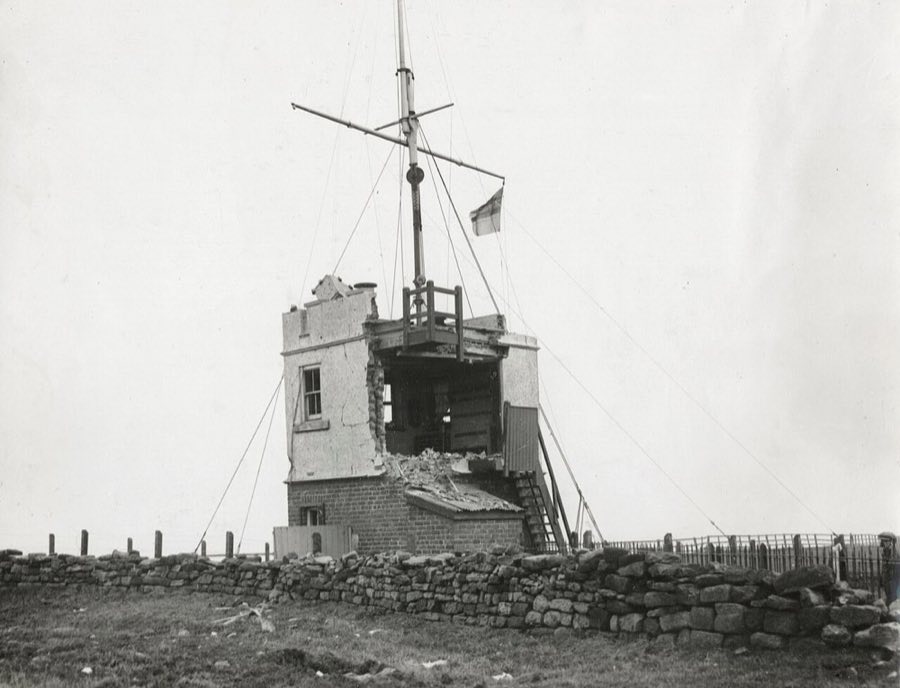

Locality · Beach collecting; SSSI and code of conduct
Whitby and the Yorkshire coast
North Yorkshire, North Yorkshire, United Kingdom
The Yorkshire coast around Whitby exposes the Toarcian Whitby Mudstone (the English equivalent of the Holzmaden Posidonia Shale), whose nodules yield Dactylioceras and Hildoceras ammonites, the 'snakestones' of legend, plus ichthyosaur bone, crinoids and Whitby jet. Saltwick Bay, Port Mulgrave and Runswick Bay are the productive beaches at low tide. The formation link here is to the Posidonia Shale article because the two units are the same age and share their fauna.
| Country | United Kingdom |
|---|---|
| State / province | North Yorkshire |
| County | North Yorkshire |
| Land manager / status | Various; North York Moors National Park; SSSI |
| Access | Public foreshore at low tide; dangerous cliffs and tides |
| Formations | Holzmaden (Posidonia Shale) |
| What is found | Dactylioceras, Hildoceras, Harpoceras, ichthyosaur bone, Whitby jet, Pentacrinites |
| Coordinates (public site) | 54.49, -0.61 |
Rules
Collecting loose material from the foreshore is allowed; digging into the cliffs and removing in-situ material from the SSSI is not, and the Yorkshire Fossil Collecting Code asks that important finds be reported. Tides and cliff falls are the hazards; always know the tide times.
Source: https://www.northyorkmoors.org.uk/visiting/enjoy-outdoors/fossil-hunting (checked 2026-09-16).
Elsewhere
Cite this article
Stratum Study. "Whitby and the Yorkshire coast" (Locality). Stratum Study pack 2026.09, as of 2026-09-19. https://stratum.black/study/localities/whitby-and-the-yorkshire-coast. Accessed 2026-09-20.
@misc{stratum-whitby-and-the-yorkshire-coast,
  title        = {Whitby and the Yorkshire coast},
  author       = {{Stratum Study}},
  howpublished = {\url{https://stratum.black/study/localities/whitby-and-the-yorkshire-coast}},
  year         = {2026},
  note         = {Locality article, Stratum Study pack 2026.09, as of 2026-09-19; sources: stratum, commons. Accessed 2026-09-20.}
}
Citations carry the pack version and the article's as-of date so they resolve to the same text later. The facts themselves belong to the sources listed below; cite those for the science.